
Nutrition · June 9, 2026 · 5 min · By Lorenzo Adeyinka
Hydration and electrolytes on a GLP-1
Eating and drinking less means you can quietly fall behind on fluids and minerals without noticing.
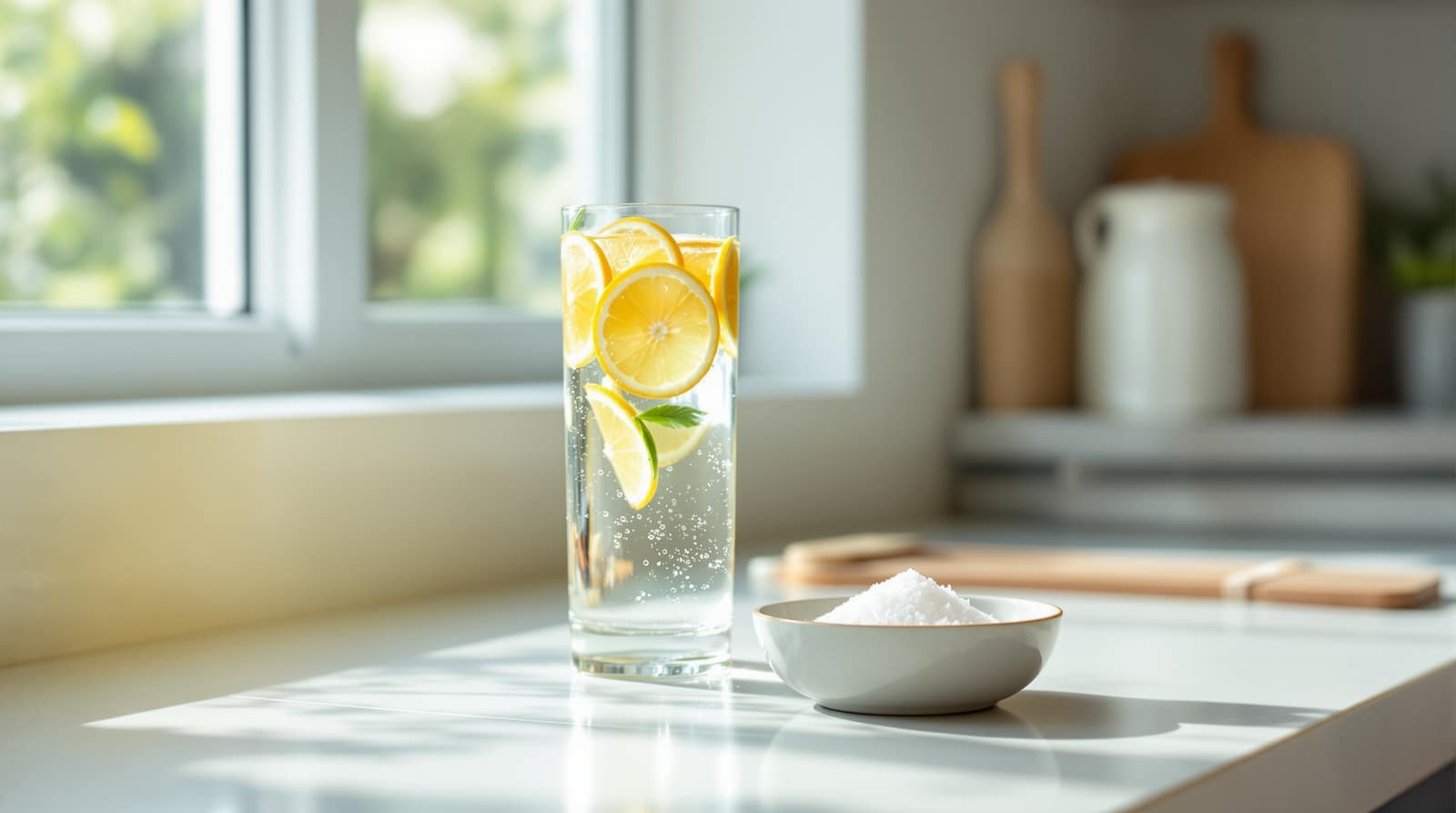
When people talk about GLP-1 side effects, they usually mean nausea or constipation. Hydration rarely makes the list, which is exactly why it catches so many people off guard. The same appetite suppression that helps you eat less also means you drink less, often without realizing it, and a good share of the fatigue, headaches, and dizziness that get blamed on the medication are really just mild dehydration.
Why thirst goes quiet
A lot of daily fluid does not come from a glass. It comes from food: fruit, soup, yogurt, vegetables, even bread. When your appetite drops and your portions shrink, that hidden water intake shrinks with it. On top of that, GLP-1 medications can blunt the thirst signal itself, so the usual nudge to go drink something gets weaker right when you need it most. The result is a slow slide into a deficit that builds over days. The Mayo Clinic notes that needs vary by person, but the rough target of around eight cups a day is a reasonable floor to aim for, and more if you are active or in heat.
Electrolytes are the other half
Water alone is not the whole story. Sodium, potassium, and magnesium keep your nerves and muscles working and help your body actually hold the fluid you drink. When intake drops and especially if you have had episodes of vomiting or diarrhea, these minerals can fall too. That is often what is behind the muscle cramps, the brain fog, and the lightheadedness when you stand up. You do not need a cabinet full of supplements to fix it. A pinch of salt in your water, a banana or some leafy greens for potassium, and magnesium from nuts, seeds, or beans cover most people. The CDC has practical guidance on making water and healthy drinks a default rather than an afterthought.
How to actually keep up
The trick is to stop relying on thirst and start relying on structure. Keep a bottle in sight and refill it on a schedule rather than waiting until your mouth is dry. Drink a full glass with each dose of your medication and another before meals, which has the bonus of helping with fullness. If plain water feels like a chore, unsweetened sparkling water, herbal tea, and broth all count. Watch the color of your urine: pale yellow is the goal, and dark means you are behind. These small systems matter more than any single big glass of water.
When low fluids make other things worse
Dehydration does not stay in its lane. Too little water makes constipation worse, and constipation is already common on these drugs, which is its own topic worth understanding. Low fluid volume can also stress the kidneys, and that risk climbs sharply during a stretch of heavy vomiting. If you cannot keep fluids down for more than a day, that is not a tough-it-out situation. It is a call-your-clinician situation, because persistent vomiting plus dehydration is one of the genuinely serious GLP-1 scenarios and occasionally lands people in urgent care.
Coffee, alcohol, and the sneaky drainers
A few common habits quietly work against you here. Caffeine has a mild diuretic effect, so a day built around coffee with little water leaves you further behind than you would guess. Alcohol is worse on both counts: it dehydrates you and tends to hit harder when you are eating less, a combination worth reading about in GLP-1 and alcohol. Even well-meaning choices can backfire, like leaning on sugary sports drinks for electrolytes when a pinch of salt and some potassium from food would do the job without the sugar load. The fix is not to cut everything out but to make water the default and treat the rest as extras you compensate for. If you have a coffee, follow it with a glass of water. If you drink, alternate with water and front-load your electrolytes the next morning. Small offsets keep a manageable habit from turning into a deficit you feel by afternoon.
The takeaway
Treat hydration as a habit you build, not a feeling you wait for. Aim for steady fluids across the day, add a little salt and some potassium and magnesium from real food, and use your urine color as a free daily check. Drink with every dose and before meals so it becomes automatic. If you ever cannot keep liquids down, stop guessing and get medical help, because dehydration is the side effect that turns small problems into bigger ones. As always, this is general information rather than personal medical advice, and anyone with kidney issues or on blood pressure medication should ask their clinician before loading up on electrolytes.
Related reading: GLP-1 constipation and gut health.