
The Science · June 1, 2026 · 5 min · By Isadora Velazquez
GLP-1s and alcohol: what the early research suggests
Patients keep reporting they want to drink less, and researchers are starting to take the signal seriously.
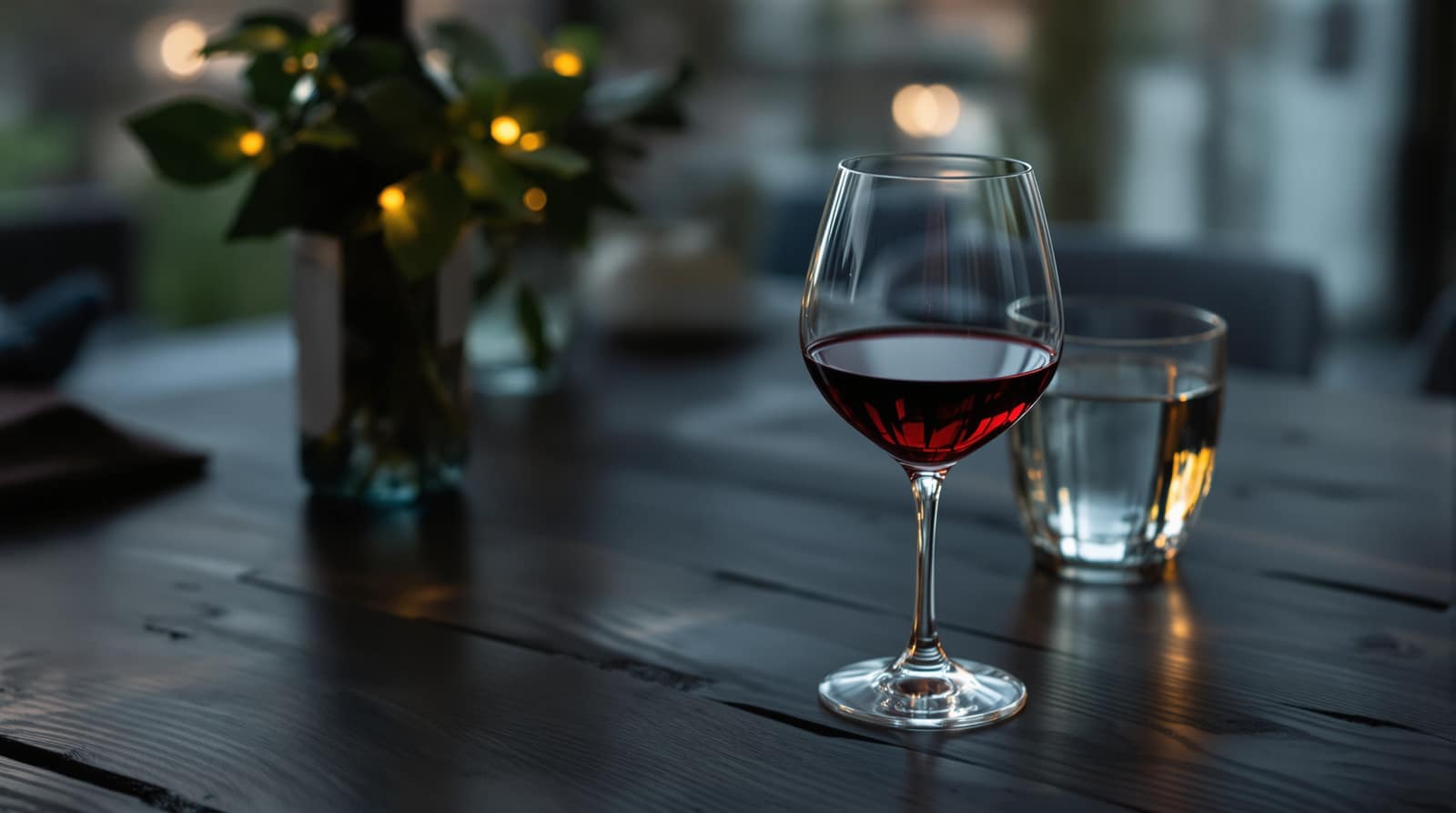
One of the more intriguing stories around GLP-1 medications is not about weight at all. People keep reporting, without being asked, that they have lost interest in alcohol. A glass of wine that used to be automatic now sits untouched, or the pull toward a third drink simply is not there. Researchers have noticed, and the question of whether these drugs can curb drinking has become a genuine area of study. The honest answer right now is that the signal is real but the evidence is early.
Where the idea comes from
The first clues were anecdotal, then they showed up in patient surveys and in analyses of large health records suggesting that people on these medications drank less and had fewer alcohol-related problems. Animal studies pointed the same direction, with GLP-1 compounds reducing alcohol intake in lab models. None of that proves the case on its own, but when scattered observations, patient reports, and animal data all lean the same way, it is enough to justify the formal clinical trials now underway.
The plausible mechanism
There is a reason the idea is biologically believable. The same reward circuitry in the brain that responds to food also responds to alcohol, and GLP-1 acts on those pathways. If the medication dampens the reward value of a rich meal, it is reasonable to think it could dampen the reward value of a drink through overlapping wiring. This is the same machinery behind the quieter cravings many patients describe, which we cover in food noise and the GLP-1 effect. The overlap between appetite for food and appetite for alcohol is exactly what makes the hypothesis worth testing.
What is not yet established
It is important to be clear about the limits. These medications are not approved to treat alcohol use disorder, and the large, controlled trials needed to prove they work for that purpose are still in progress. Observational data can be misled by the simple fact that people who pursue these drugs may already be changing other habits. So the responsible framing is that the early research is promising and the mechanism is plausible, not that there is a new treatment for drinking. Anyone struggling with alcohol should rely on established care and the resources described by the National Institute on Alcohol Abuse and Alcoholism rather than wait on a medication still under study.
The practical safety angle
There is a separate, more immediate reason to be thoughtful about alcohol on a GLP-1. The medications slow digestion and suppress appetite, and alcohol on a near-empty stomach hits differently, sometimes harder and faster than expected. Drinking can also worsen the nausea and stomach upset that come with these drugs, and heavy drinking is hard on the pancreas, which is already a point of caution with this class. Alcohol carries calories of its own, too, which can quietly work against your goals. For the broader rundown of what to expect, see our overview of GLP-1 side effects. As always, this is general information and your clinician is the right person to advise on your situation.
The takeaway
The reduced pull toward alcohol that many GLP-1 patients describe is one of the most interesting findings to emerge from this class of drugs, and it fits what we know about shared reward pathways in the brain. But interesting and proven are not the same thing, and these medications are not a treatment for problem drinking today. If you notice you are drinking less, take it as a welcome side effect rather than the intended one. And if alcohol is a struggle, seek real support now. To understand the cravings mechanism behind all of this, read food noise and the GLP-1 effect.
Related reading: An overview of GLP-1 side effects.