
Maintenance · June 5, 2026 · 5 min · By Nadia Thorvaldsen
Coming off a GLP-1 without regaining everything
Stopping a GLP-1 does not have to undo your progress, but it does require a real plan.
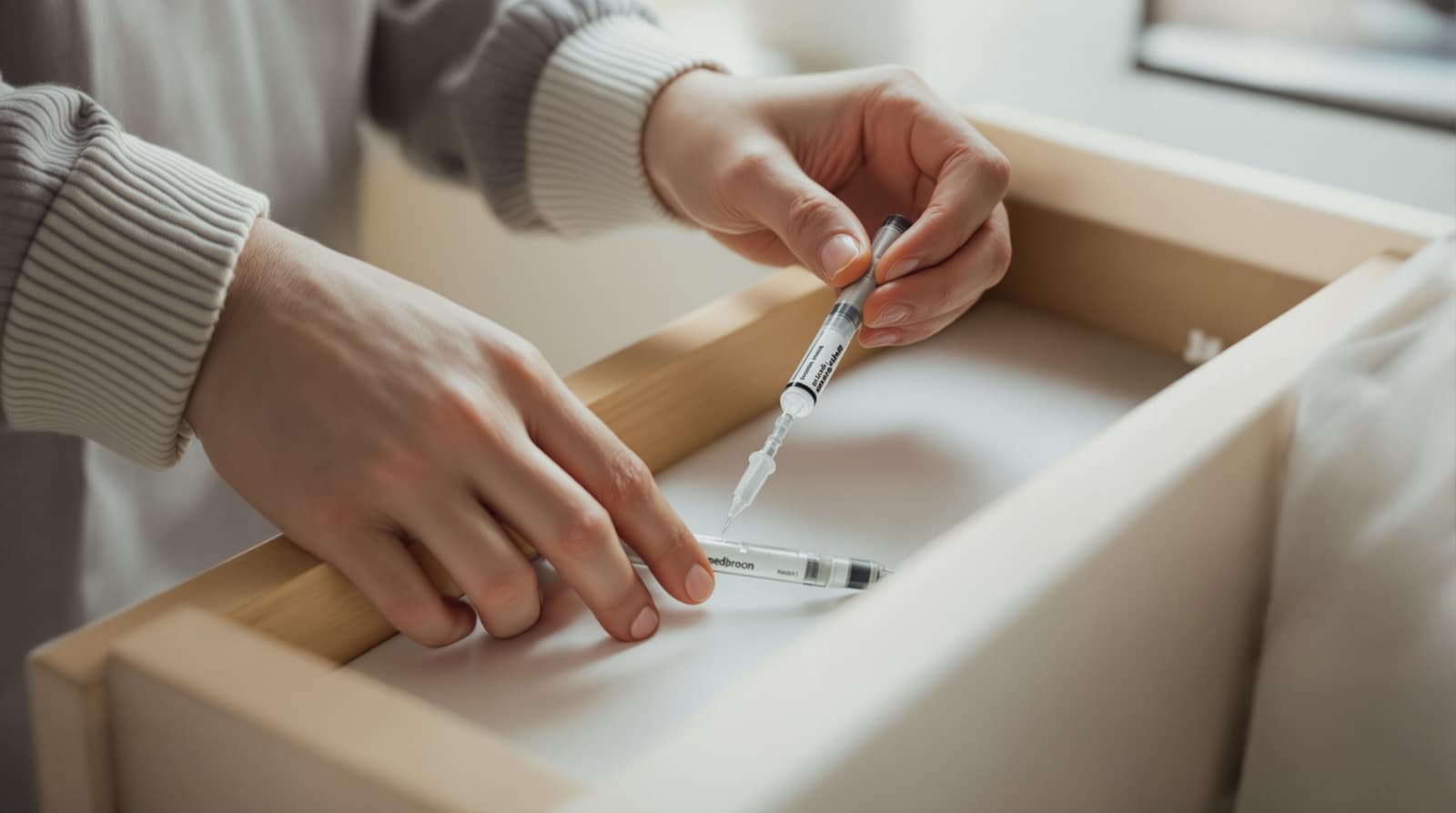
Most people who start a GLP-1 eventually ask the same question: what happens when I stop? It is a fair worry. The headlines about regain are real, but they are also incomplete. The medication is a tool, not a cure, and how you step away from it matters as much as how you started.
Let us be honest about the data first. In the STEP 1 extension study, participants who stopped semaglutide regained about two-thirds of the weight they had lost within a year. That is the number that scares people, and it should be taken seriously. But it describes what happens when the drug is simply withdrawn with nothing put in its place. It does not describe what happens when you taper thoughtfully and build durable habits underneath the medication.
Why regain happens
GLP-1 medications work in part by quieting appetite signals and slowing how fast your stomach empties. When the drug leaves your system, those signals come back. Hunger returns, often sharply, and the brain's reward response to food wakes up again. Your body also defends a higher weight set point through hormonal changes that outlast the diet itself. None of this is a personal failing. It is biology doing what it evolved to do. The National Institutes of Health has documented these metabolic adaptations in detail, and they affect nearly everyone who loses a significant amount of weight.
Taper, do not slam the brakes
Many clinicians now favor a gradual step-down rather than an abrupt stop. Instead of going from your full dose to nothing, you move down through lower doses over weeks or months. This gives your appetite time to recalibrate and lets you test how your body responds at each level. Some people discover they do well on a low maintenance dose indefinitely, which is a legitimate outcome and not a sign of weakness. This is a decision to make with your prescriber, not alone, and the right schedule depends on your starting dose, your reasons for stopping, and how your weight behaves along the way.
The habits have to be load-bearing
The people who hold their weight after stopping tend to have one thing in common: the behaviors they built while on the drug were strong enough to stand without it. That means a protein target you actually hit most days, resistance training you keep doing, sleep you protect, and a food environment you have shaped in your favor. If the medication was doing all the work and you never changed your patterns, the floor disappears when the drug does. Building those habits early is the whole game, which is why we keep returning to topics like preserving muscle on a GLP-1 and maintenance after goal weight.
Watch the scale, but watch the trend
A few pounds of regain in the first weeks off the drug is normal and partly water. What you are looking for is the trajectory over a couple of months. A slow creep that does not stop is a signal to talk to your clinician about restarting, adjusting, or returning to a maintenance dose. There is no prize for white-knuckling it while the weight climbs. Restarting a GLP-1 is not a failure; for many people it is simply how a chronic-condition medication works, the same way someone might adjust blood pressure medicine over the years.
Reframing what the drug is for
Part of what makes stopping so fraught is the lingering idea that these medications are a temporary fix you graduate from. The clinical framing is increasingly different. Obesity is treated as a chronic, relapsing condition, and for many patients a GLP-1 is a long-term tool rather than a short course. The Mayo Clinic describes these drugs as part of ongoing management for many people, not a sprint to a finish line. Seen that way, the question shifts from whether you can get off the drug to whether stopping actually serves your health. For some it does, once habits are solid and weight is stable. For others, staying on a lower dose is simply the smarter long-term call. Neither answer is a moral verdict, and framing it as one only makes the decision harder than it needs to be.
The takeaway
Stopping a GLP-1 safely is less about willpower and more about engineering. Taper with your prescriber rather than quitting cold, keep the medication's benefits going by hitting your protein and strength training, protect your sleep, and track your weight trend so you can act early if it turns. Treat regain as information, not shame. Most importantly, decide in advance with a licensed clinician what your plan is if the weight starts coming back, because the worst time to make that decision is in a panic three months later. This is general information, not medical advice, and your own taper should be built with the prescriber who knows your history.
Related reading: Maintenance after goal weight.
More in Maintenance
View all →- Traveling on a GLP-1: storage, timing, and staying on track
- Reaching your goal weight: what maintenance on a GLP-1 looks like
- Wegovy generic name: semaglutide, and why a real generic Wegovy exists in Canada but not in the US
- Ozempic long term side effects: what the evidence actually covers, year by year