
Choosing Care · June 15, 2026 · 5 min · By Lorenzo Adeyinka
Telehealth or in-person: choosing a GLP-1 program
Both models can work, but they fail in different ways, and the right pick depends on your situation.
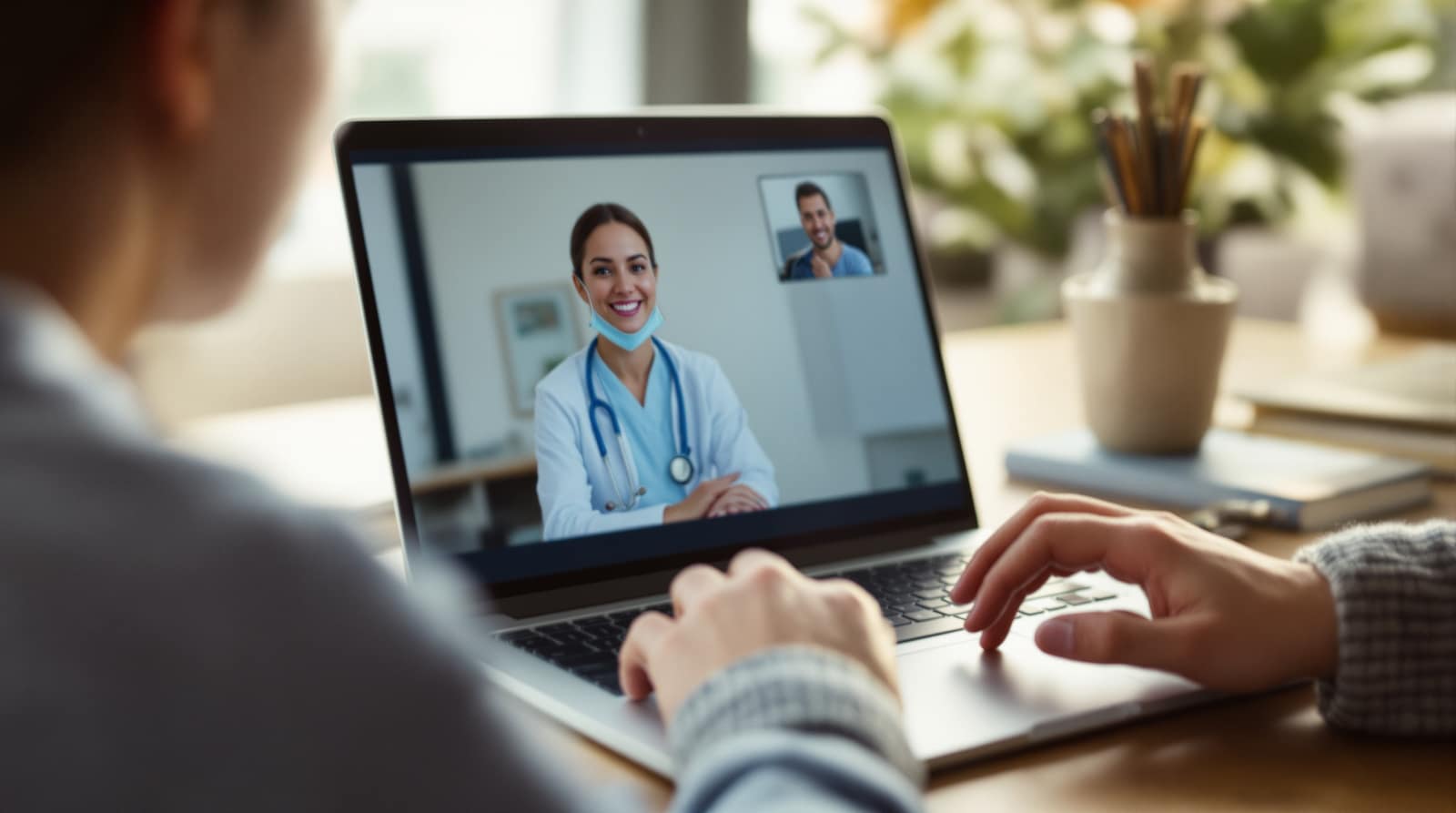
The explosion of GLP-1 demand created a parallel explosion of ways to get the prescription. You can now get a GLP-1 from a polished telehealth app in about fifteen minutes, or you can sit across from a physician you have known for years. Both can be legitimate. Both can also go badly. The question is not which is better in the abstract, but which fits how you actually live and what your health looks like.
What telehealth does well
The appeal of telehealth is obvious: speed, convenience, and often lower visible cost. For a relatively healthy person who knows their numbers and wants to start without weeks of waiting, a reputable telehealth program can be a reasonable front door. The better platforms collect a real medical history, require lab work, and connect you to a licensed clinician rather than a rubber stamp. They also tend to handle the prescription logistics smoothly, which matters when supply and pharmacy hassles are part of the picture.
Where telehealth gets thin
The weakness is depth. A fifteen-minute intake form cannot catch everything, and some platforms lean heavily on compounded versions of these drugs, which raises its own questions worth reading about in compounded versus brand semaglutide. If complications come up, follow-up can be slow or impersonal, and your telehealth prescriber usually does not coordinate with the rest of your care. The U.S. Food and Drug Administration has warned about counterfeit and improperly sourced semaglutide entering the market, which is a real reason to scrutinize where a telehealth program actually gets its product.
What in-person care offers
Seeing a clinician in person, particularly one who already has your records, buys you context. They can examine you, order and interpret a fuller panel of labs, screen for the conditions that make these drugs riskier, and adjust the plan as your body responds. If you have diabetes, thyroid concerns, a complicated medication list, or a history that needs careful handling, that continuity is worth a lot. The Cleveland Clinic outlines how these medications interact with a range of conditions, the kind of nuance an established clinical relationship is built to manage.
The trade-off is real
In-person care is usually slower to start and can feel less convenient, and depending on your insurance it may or may not be cheaper. But it tends to fail more gracefully. When something unexpected happens, you have a named person who knows you and can act, instead of a support queue. Telehealth fails fast and quietly; in-person care is slower but more accountable. Neither is morally superior. They are different risk profiles.
A simple way to choose
If you are generally healthy, comfortable advocating for yourself, and you pick a telehealth provider that requires labs and uses FDA-approved products, telehealth can be a fine starting point. If you have meaningful medical complexity, take several other medications, or simply want one person accountable for your whole picture, lean in-person. Many people end up blending the two, starting with whichever is faster and looping in their primary clinician for oversight. Whatever you choose, the non-negotiables are the same: a real medical history, real lab work, a licensed prescriber, and a clear way to reach someone when a problem comes up.
Questions to ask before you sign up
The marketing for any GLP-1 program is designed to make starting feel frictionless, so the burden is on you to ask the unglamorous questions. Does this program require recent lab work, or will it prescribe off a questionnaire alone? Is the medication FDA-approved and dispensed by a licensed pharmacy, or is it compounded, and if so, where is it sourced? Who exactly will I be able to reach if I have a reaction at nine at night, and how fast? Is there a plan for monitoring my progress and adjusting the dose, or does the relationship effectively end once the prescription ships? What happens to my care if the drug goes on backorder? A reputable provider, telehealth or in-person, will answer all of these without flinching. Vague or evasive answers are themselves an answer. The convenience of a fast start is not worth much if the program disappears the moment something goes wrong.
The takeaway
Telehealth wins on speed and convenience and can be perfectly safe when the program is reputable and uses approved drugs. In-person care wins on depth, continuity, and graceful handling of complications. Match the model to your own medical complexity rather than to the marketing, verify where any program sources its medication, and make sure whatever path you pick connects you to a licensed clinician you can actually reach. This is general guidance, not medical advice, and the safest plan is always one a qualified prescriber signs off on.
Related reading: Compounded versus brand-name semaglutide.