
The Medications · May 4, 2026 · 5 min · By Maeve Castellucci
Microdosing GLP-1s: the evidence behind low-dose protocols
Low-dose GLP-1 protocols are popular online, but the science behind them is thinner than the marketing suggests.
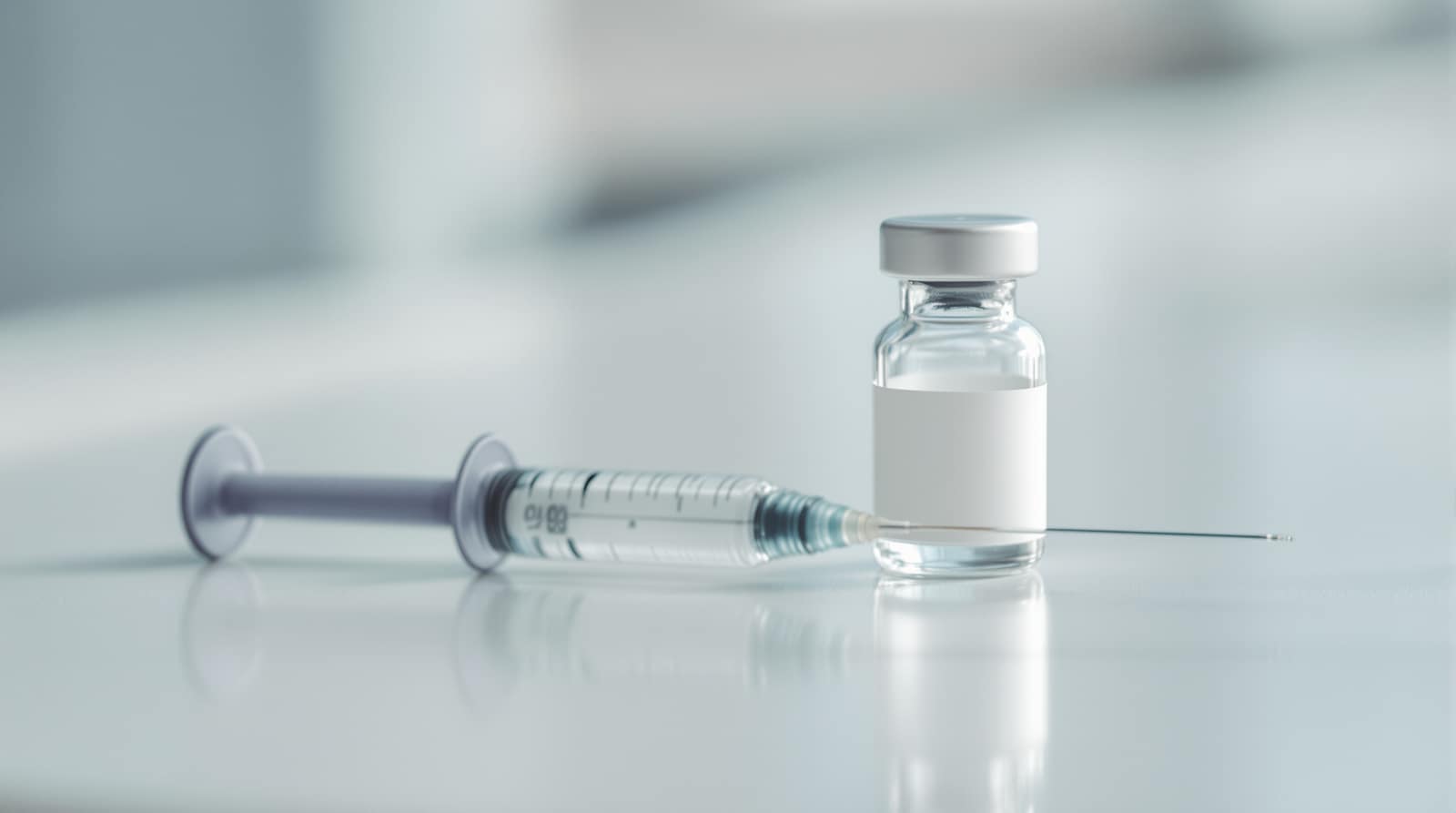
Search any wellness forum and you will find people talking about microdosing GLP-1s: using doses well below the standard therapeutic range, often to manage appetite gently, smooth out side effects, or maintain weight without the full effect. The idea is appealing and intuitive. The evidence is a different matter, and it is worth being honest about what we do and do not know.
What people mean by microdosing
There is no official medical definition of GLP-1 microdosing. In practice it describes using doses below those tested in the major weight-loss trials, or staying on a low starting dose rather than titrating up. People pursue it for a few reasons: to minimize nausea and other side effects, to stretch an expensive or scarce supply, or to maintain a weight loss without the appetite suppression of a full dose. Some frame it as a gentler, more sustainable approach.
Where the standard doses come from
It helps to remember why the approved doses are what they are. The doses in trials like STEP 1 were chosen and tested because that is where researchers demonstrated and measured the effect on weight. The titration schedules exist to reach an effective dose while limiting side effects along the way, which our guide to titration schedules explained covers. The efficacy and safety data we trust are tied to those specific dosing regimens.
What the evidence on low doses actually says
Here is the honest part. There is some signal that lower doses produce smaller effects, which is unsurprising, because these drugs show a dose-response relationship, meaning higher doses generally drive more weight loss up to a point. The lowest doses in trials were typically used as starting steps, not as endpoints, and they produced less weight loss than the target doses. What is largely missing is rigorous, long-term study of deliberately staying at sub-therapeutic doses for weight management or maintenance. Much of the enthusiasm rests on individual reports and clinic marketing rather than controlled trials. The literature on GLP-1 pharmacology indexed at the NIH supports the dose-response idea but does not validate microdosing as an established protocol. In short: plausible mechanism, thin evidence.
The practical and safety angles
There are real reasons people drift toward low doses, and not all of them are about science. Cost and supply are huge drivers, which connects directly to compounded versions where dose flexibility is easier and oversight is weaker. The risk is that microdosing often happens through self-adjustment, measuring small amounts from a vial without clinical guidance, which is exactly where dosing errors creep in. A low dose chosen with a prescriber who is monitoring you is a very different thing from guessing at home.
Where it might genuinely fit
There are legitimate clinical situations for lower doses: people who cannot tolerate higher doses, or those in a maintenance phase where a clinician decides a reduced dose holds their weight with fewer side effects. Our piece on maintenance after goal weight touches on this. The difference is that these are individualized medical decisions, not a one-size protocol from the internet.
The maintenance angle is the most promising
If there is one place where the low-dose idea has the most intuitive support, it is maintenance rather than active weight loss. After someone has reached a goal weight, the job changes from driving the scale down to simply keeping appetite in check, and it is plausible that a smaller dose can do that for some people with fewer side effects and lower cost. Some clinicians already individualize maintenance doses this way. But even here the formal evidence is limited, and what works is highly personal: the dose that holds one person steady will let another regain. That is exactly why this belongs in the category of decisions made with a prescriber who can watch your weight and symptoms over time, not a number you pick because it stretches your supply.
The takeaway
Microdosing GLP-1s has a believable rationale and some anecdotal support, but it is not backed by the kind of trial evidence that the standard doses have. If you and a licensed clinician decide a lower dose fits your goals or tolerance, that can be reasonable and monitored. Self-directing a sub-therapeutic dose to save money or hedge side effects is where it gets risky. Treat this as general information and make any dosing decision with a prescriber.
Related reading: Titration schedules explained.
More in The Medications
View all →- Wegovy generic name: semaglutide, and why a real generic Wegovy exists in Canada but not in the US
- How to Inject Semaglutide at Home: The Six-Point Check Before Every Dose
- GLP-1 Medications and Your Other Prescriptions: an Absorption Audit You Can Run Yourself
- Missed a GLP-1 dose? The rules for getting back on schedule